
For new possibilities , let us manage our financial situation with skills
Financial InclusionEmbracing a Holistic Approach to Nurturing Integrity in Boarding Schools with digital payments
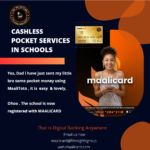





Embracing a Holistic Approach to Nurturing Integrity in Boarding Schools
By Robert M.J. Kintu 19.07.24
In today’s rapidly evolving world, ensuring that our children grow up with strong moral values and a clear understanding of right and wrong is more important than ever. This responsibility becomes even more critical for parents of learners aged 12 to 18 in boarding schools, where students are away from home and often face unique challenges. While boarding schools offer an inclusive environment that fosters educational, social, economic, and personal development, they also present opportunities for vices if not managed carefully.
A New Era of Cash Management
Traditional methods of managing finances in schools, such as cash transactions and flashy donations, can inadvertently create environments ripe for unethical behavior. The temptation to flaunt wealth or access resources that others may not have can lead to issues such as theft and corruption. To address this, adopting cashless digital systems for managing finances within schools is a step forward. By implementing digital transactions and cashless systems, schools can reduce the opportunities for theft and ensure that resources are distributed more fairly and transparently.
Digital systems provide a way to manage allowances and payments without the physical exchange of cash, which can diminish the allure of flaunting wealth. Students are less likely to be tempted to misappropriate funds when they do not handle money directly. Furthermore, these systems offer a clear, trackable record of transactions, making it easier to monitor and manage financial activities within the school.
The Role of Religious Education and Ethical Guidance
Beyond technological solutions, instilling strong ethical values and providing guidance are crucial. Religious education and ethical training help students understand the importance of integrity and respect for others. These programs teach the value of honesty, empathy, and responsibility, shaping students’ character and helping them make better choices.
Schools should integrate comprehensive religious and ethical education into their curricula. This education should not be limited to theoretical knowledge but should include practical applications and discussions about real-world scenarios. By engaging students in conversations about ethics and morality, they can better appreciate the impact of their actions on themselves and others.
Public Sharing and Accountability
Addressing repeated offenses requires a system of accountability and public sharing of behavior. When students who repeatedly break rules are publicly addressed, it sends a clear message that such behavior is not acceptable. This public approach should be handled sensitively and constructively, focusing on education and correction rather than punishment alone.
Public sharing should be part of a broader approach that includes counseling and support for students who struggle with behavioral issues. Schools can use these opportunities to reinforce the importance of ethical behavior and to provide additional guidance and support.
Controlled Donations and Avoiding Flashiness
Parents also play a crucial role in this ecosystem. While it’s natural to want to provide the best for our children, excessive displays of wealth can create pressure and influence others negatively. Instead of flaunting donations, parents should focus on supporting the school’s programs in a more controlled and thoughtful manner. This approach not only avoids creating an environment of disparity but also reinforces the values of modesty and respect.
Embracing CCTV and Other Measures
While CCTV cameras can act as a deterrent and provide evidence in case of incidents, they are not a complete solution. They should be part of a comprehensive approach that includes ethical education, digital financial management, and responsible parental behavior. The goal is not just to monitor but to create an environment where students understand the importance of integrity and respect from the inside out.
Conclusion
Creating a nurturing and ethical environment in boarding schools requires a multifaceted approach. By integrating cashless digital systems, religious and ethical education, public accountability, and responsible parental behavior, we can work together to foster a culture of integrity and respect among our young learners. Let’s commit to this holistic approach and ensure that our children grow into individuals who value honesty, respect, and responsibility
END
-
Benefits of Cashless Pocket Money Service
Convenience, Safety, Security, Real-time Tracking and Monitoring, Early Financial Literacy, Digital Skills Development and Customization for Parental Control.
-
How Learners Can Use the Maalitoto Card
Payment at the canteen or bursar office with POS machine/internet-enabled device, payment for goods and services in authorized supermarkets and withdrawal at Maalipay Agents out of the school.
-
How to Enroll Learners
The school provides the necessary information for the Dashboard setup, learner details submitted to Maalicard, school loads float for learner account activation, Parent or guardian receives OTP for account secondment and parents fund learners via mobile money or Airtel.
-
Service Guarantees and Availability
Registered member of FITSPA, Escrow account monitored with Housing Finance Bank, Holds Non-Deposit Taking Institution license from UMRA, Operates in partnership with Interswitch EA for Digital Card Payment, Data protected by the Data Protection and Privacy Act, 2019 and 24/7 availability with a call center for troubleshooting.